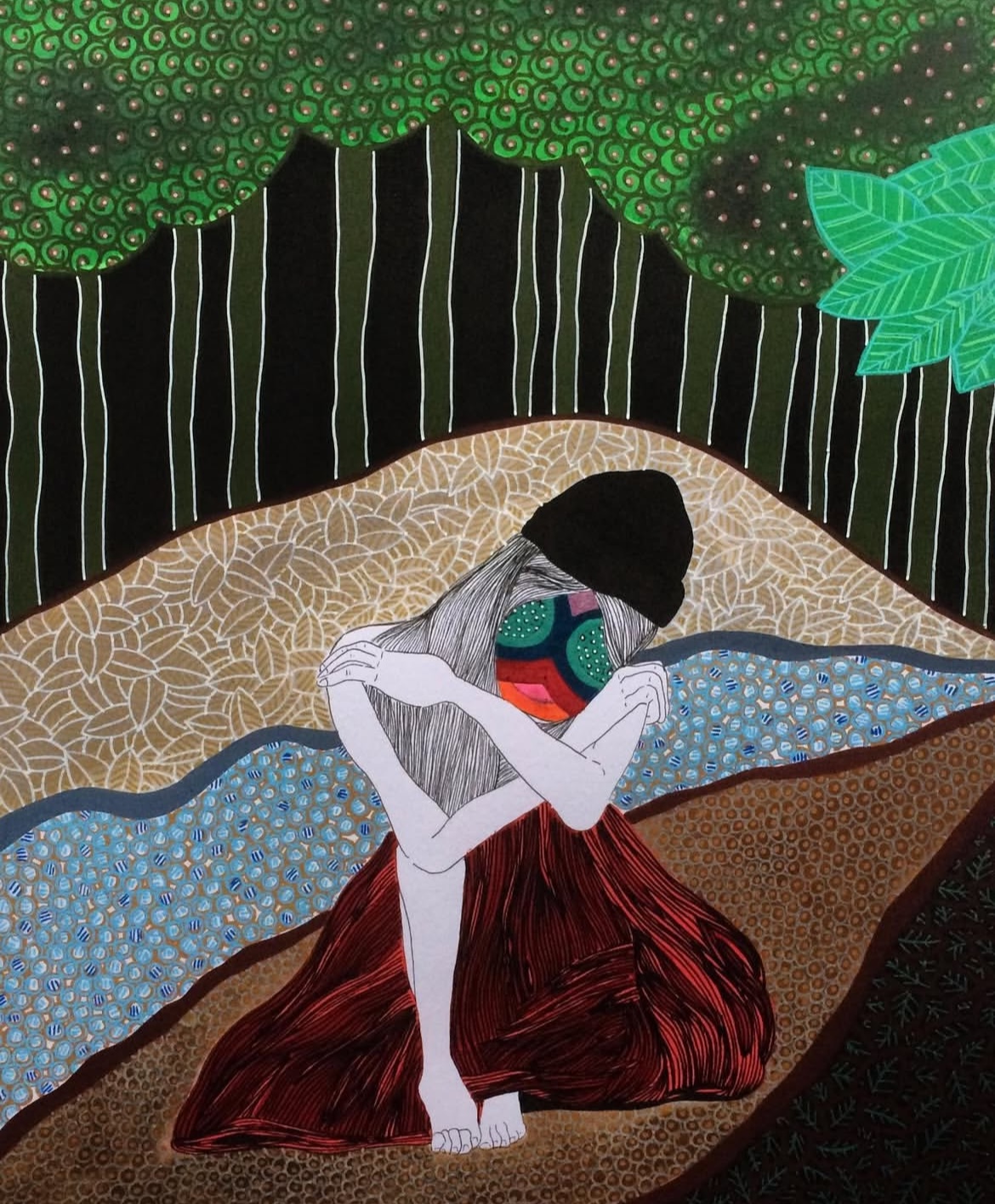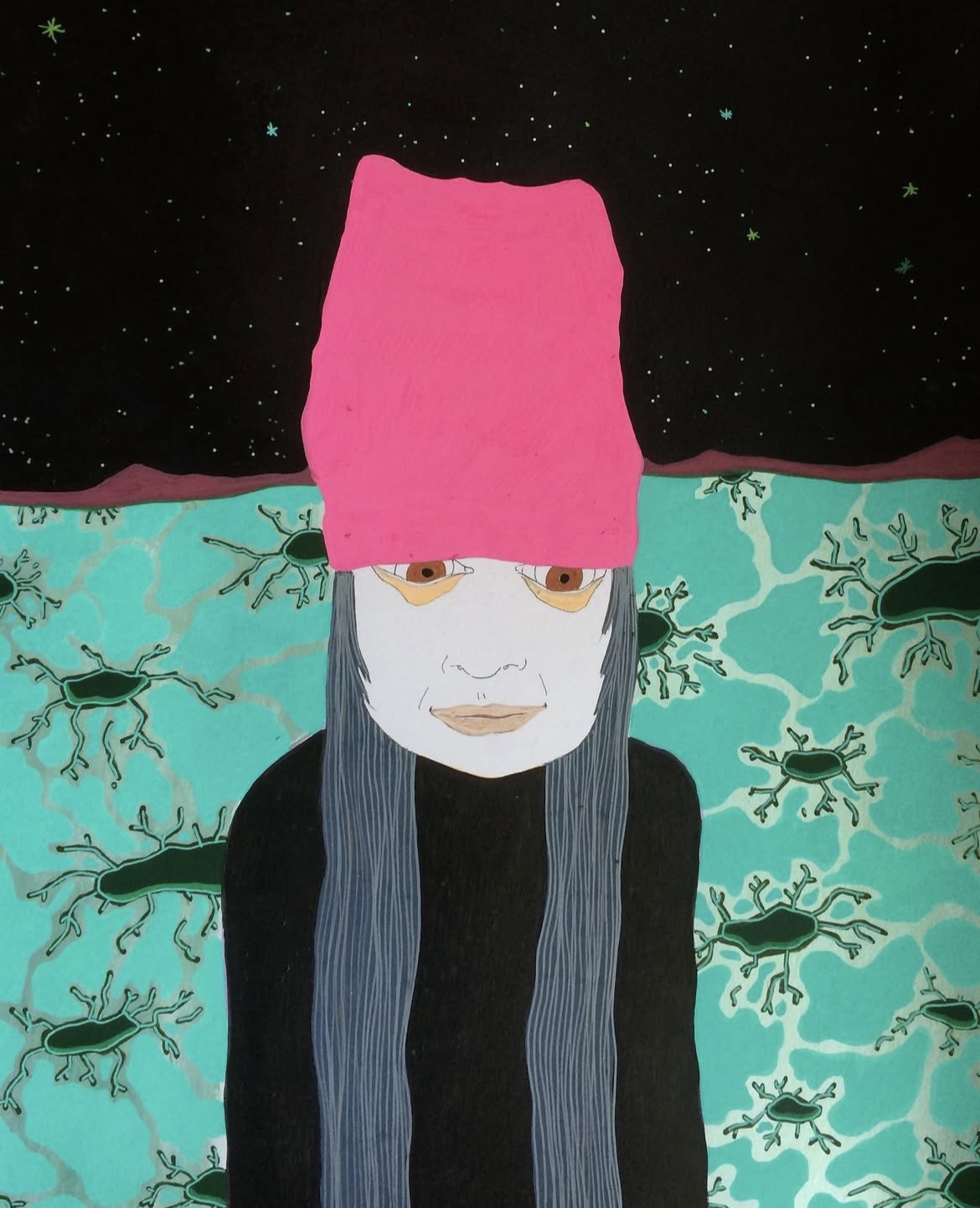
Loneliness & Connection: Feeling Like a Stranger on Your Own Planet
There’s a peculiar ache in modern life: you can be surrounded, seen, but still feel profoundly unseen. That’s the loneliness many of us carry now.
1. A Quiet Epidemic
Loneliness isn’t just a feeling, it is a public health crisis. In recent years, nearly one in three adults report feeling lonely weekly, and around 10% experience it daily.
This emotional pain translates into biological harm: loneliness heightens the risk of heart disease, stroke, dementia, and even early death—effects comparable to smoking 15 cigarettes a day.
Emerging from a broader “friendship recession,” people now have fewer close friends—often just three or four instead of the eight to ten people considered healthy for emotional resilience.
2. Why So Many of Us Feel Alienated
Loneliness can emerge without physical isolation. Some research labels it “existential loneliness”—a felt gap between one’s internal world and others, even when surrounded by company . In our digitally saturated lives, this disconnection deepens: social media and screens pulse louder than real voices, fueling a sense of invisibility.
Pressure to perform, work longer hours, or prioritize productivity over presence also erodes our capacity to be real with each other—deepening emotional drift.
3. The Body Doesn’t Lie
Loneliness shows up in sleepless nights, numbness, depression, and weakening immune systems . For older adults, isolation often leads to cognitive decline via depression, reinforcing the feedback loop of loneliness and loss of clarity.
4. From Silence to Shared Soil
Connection doesn’t have to be grand gestures—it often starts small. Peer support and real-world conversation show therapeutic results comparable to formal mental-health interventions . A simple shared space—coffee, a walk, a group loosely bound around creative expression—can re-anchor someone in belonging.
Communities in many regions are responding. In Connecticut and Australia, programs promoting social prescribing and peer networks are emerging to rebuild relational infrastructure and combat the loneliness epidemic.
5. How to Begin Bridging the Distance
- Sit quietly with your loneliness. Let it speak its truth without shaming it. That inward acknowledgment often softens isolation.
- Reach with humility. A text, “could use someone to chat,” or a handwritten note carries weight. Vulnerability is invitation.
- Seek depth over scale. One authentic conversation can shift more than dozens of superficial connections. The quality of presence matters.
- Build small rituals. Regular check‑ins with one friend, creative circles, or shared solitude (like intentional journaling alongside others).
- Honor loss as threshold. When relationships shift or fade, it can feel empty—yet that rupture can create space for deeper roots to sprout.
6. Why This Matters
The dangers of loneliness extend beyond individual suffering. It burdens societies with healthcare costs, mental-health crises, and community erosion. But the opposite is also true: social connection reduces inflammation, boosts resilience, and strengthens neighborhoods.
This isn’t about ignoring systemic issues or pretending vulnerability solves all—but about remembering that small human openings can echo across isolation.
In Closing: You’re Not Alone
Feeling isolated doesn’t mean no one sees you—it can mean no one sees who you truly are. Yet beneath that ache, there’s hope. Shared stories, embodied dialogues, courageous softness: these are the seeds of belonging.
If loneliness has you speaking to empty space, remember: connection begins when one soul reaches out—not for applause or rescue—but for authenticity. And indeed: you’re not alone. Not here.
Beautiful art by Bob Noer: